
Introduction
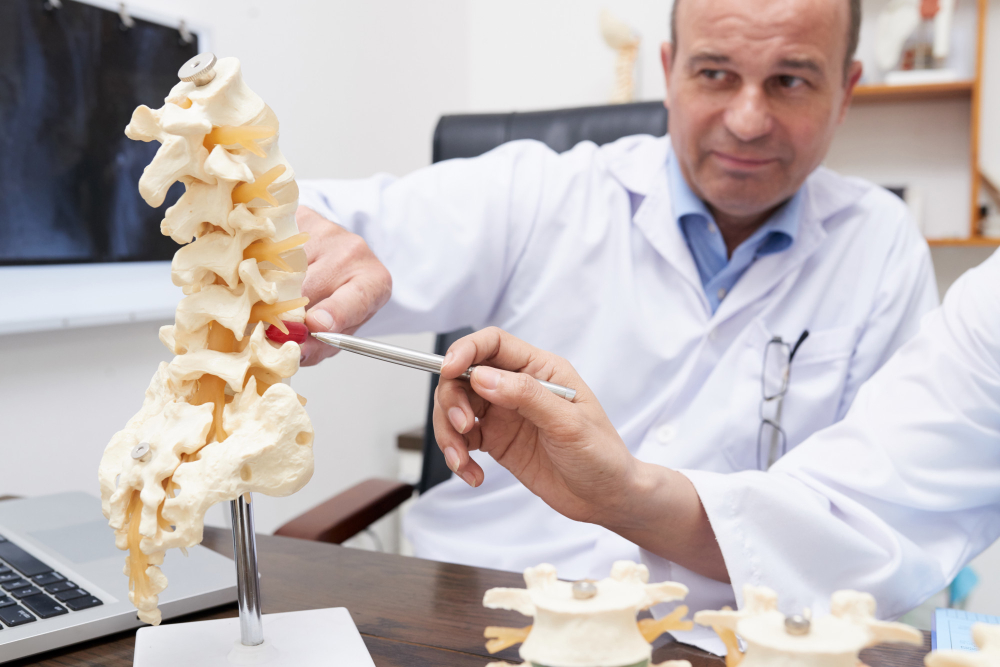
Spondylolisthesis is a condition where one of the bones in your spine slips out of place. This slip can cause back pain, nerve problems, or even trouble walking. In the United States, spondylolisthesis is a common reason for back pain, especially in adults. Because spinal instability can affect your daily life, it is important to understand its causes, symptoms, and treatment options. Early care can help you manage pain and prevent further problems.
Causes and Risk Factors
Many things can lead to spondylolisthesis. Sometimes, the cause is a birth defect. Other times, it develops over time due to wear and tear. Let’s look at the main causes and risk factors:
In addition, being overweight or having weak back muscles can increase your risk. According to the National Institutes of Health, spondylolisthesis is more common in adults over 50.
Common Symptoms
Spondylolisthesis symptoms can vary. Some people have no signs at all. Others may notice pain or stiffness. Here are the most common symptoms:
Sometimes, symptoms get worse with activity. However, rest may help ease the pain. If you notice any of these signs, it is important to seek medical advice.
Diagnosis Methods
Doctors use several methods to diagnose spondylolisthesis. First, they will ask about your symptoms and medical history. Next, they may perform a physical exam. To confirm the diagnosis, your doctor may order tests such as:
With these tests, doctors can see how much the bone has moved. They can also check for nerve pressure or other causes of back pain.
Treatment Options
Treatment for spondylolisthesis depends on your symptoms and how much the bone has slipped. Many people get better with simple treatments. However, some may need surgery. Let’s look at both options:
Non-Surgical Treatments
Most people improve with these steps. According to the American Academy of Orthopaedic Surgeons, non-surgical care helps many patients return to normal activities.
Surgical Treatments
Your doctor will discuss the risks and benefits before recommending surgery.
Lifestyle Tips and Prevention
While you cannot always prevent spondylolisthesis, healthy habits can lower your risk. Here are some helpful tips:
In addition, quitting smoking can help your bones stay healthy. Early care can also prevent the problem from getting worse.
When to See a Doctor
If you have back pain that lasts more than a few weeks, see a doctor. You should also seek help if you notice:
These signs may mean your nerves are affected. Early treatment can help prevent long-term problems.
Conclusion
Spondylolisthesis can cause back pain and limit your movement. However, many people find relief with the right care. If you have symptoms or concerns, do not wait. Consult a neurology or spine specialist for personalized advice.